
Picking the best tyres for road cycling is one of those things that seems simple. Until you start looking. Then you see all these options. Tubeless. Clincher. Different widths. Different tread patterns. It gets confusing fast. I have been there. I have bought tyres that felt great for a week and then punctured three times in one ride.
I have also bought tyres that lasted forever but felt like riding through mud. There is a balance. It comes down to what you actually need. Not what the marketing says. This guide tells you what works and what does not.
Why Tyres Matter More Than You Think?
Your tyres are the only thing between you and the road. That is it. Everything else on the bike is just there to support you. But the tyres do the actual work.
A good set of tyres gives you three things. Speed. Grip. And protection from punctures . Most tyres cannot give you all three at the same time. You have to pick what matters most to you.
If you race, you want speed. If you ride in the wet, you want grip. If you commute, you want to avoid punctures. Be honest about what you need. That makes the choice easier.
Read More: Clipless Pedals vs Flat Pedals for Road Cycling: Full Guide
Best Road Bike Tyres to Avoid Punctures
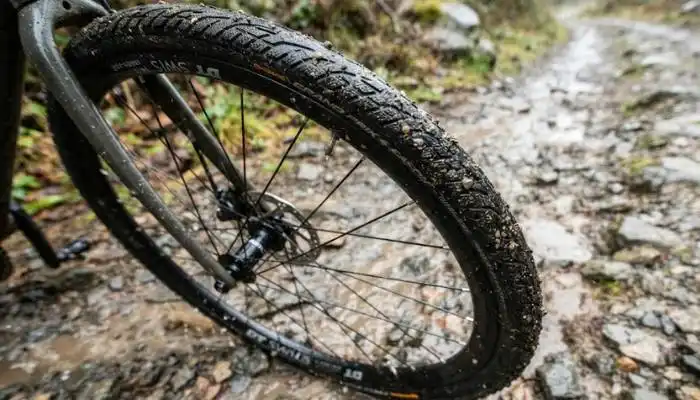
Getting a flat is the worst part of riding. You are miles from home. The tube is dead. You have to fix it on the side of the road.
Some tyres are built to stop this from happening.
- The Pirelli Cinturato Velo is the tyre to beat for puncture protection. Tests show it has the best tread puncture resistance of any tubeless road tyre on the market . The tread is thick. The sidewalls are strong. It handles glass and sharp stones better than most.
- The downside is speed. It is not the fastest tyre. But if you ride on rough roads or in bad weather, this is the safest bet.
- The Vittoria RideArmor is another good choice. It has the toughest sidewalls you can find. Even compared to touring tyres, nothing beats it . The tread protection is also solid. It is a heavy tyre. But it keeps you rolling when other tyres would leave you stuck.
- The Continental Gatorskin is an old favourite for commuters. It is not as fast as modern tubeless tyres. But it is tough. It lasts for thousands of miles . If you just want to get to work without fixing a flat, this is a safe pick.
Best Road Bike Tyres Tubeless
Tubeless tyres are the standard now. They run without an inner tube. You put sealant inside. When you get a small puncture, the sealant fills the hole and you keep riding .
- The Continental Grand Prix 5000 S TR is the best all-rounder. It is fast. It grips well. And it has a puncture protection belt called Vectran that stops most flats . It works with or without tubes. You can run it tubeless or use an inner tube. That flexibility is nice.
- The Specialized S-Works Turbo TLR is another strong option. It is light. It rolls fast. And the puncture resistance is higher than most racing tyres . The wet grip is also excellent. It is not the absolute fastest. But it is a good balance of speed and protection.
- The Schwalbe Pro One TLE is a proven tyre. It has been around for years. It handles rough roads well. The compliance makes it feel fast on bad pavement . It is a bit heavy. But it is reliable and grips well in corners.
Best Road Bike Tyres Clincher
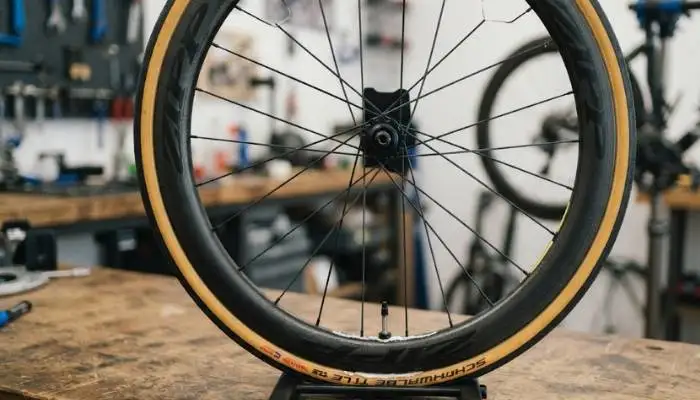
Clincher tyres are the traditional option. They use an inner tube to hold the air . They are easier to fix on the road. You just pull the tube out, put a new one in, and pump it up.
- The Continental Grand Prix 5000 is the best clincher available. It is fast. It has good puncture protection. It rolls well. Many riders use it for training and racing . It comes in different widths so you can pick what fits your bike.
- The Michelin Power Cup is also a good clincher. It is designed for competition. The rolling resistance is low. The grip is solid in both dry and wet conditions . It is not the most durable tyre. But for racing or fast group rides, it works well.
- For training, the Michelin Lithion is a good choice. It is heavier than the Power Cup. But it lasts longer and handles more miles . It is a tyre you can fit and forget for a while.
What Width Should You Pick?
Wider tyres are better for most riders. That is the short answer.
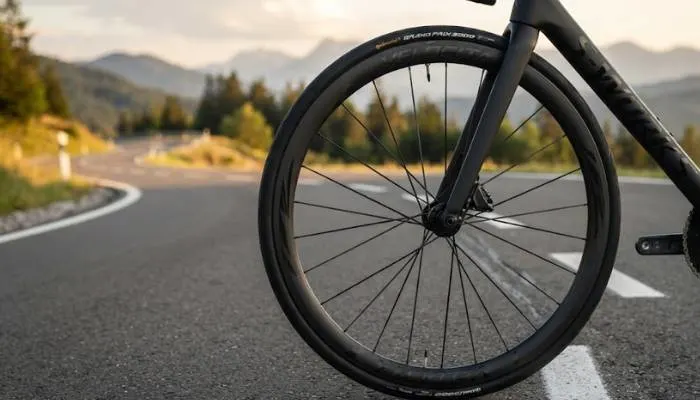
Years ago, everyone rode 23mm tyres. Not anymore. Now 28mm is the new standard. Many riders go to 30mm or 32mm .
Wider tyres give you more comfort. They absorb bumps better. They grip the road harder in corners. And they are often just as fast as narrow tyres because they roll over rough roads more smoothly.
Check your bike first. Some older bikes with rim brakes cannot fit wider than 25mm or 28mm . Newer disc brake bikes can usually take 30mm or 32mm. Look at your frame clearance before you buy.
You May Also Read: How to Start Road Cycling for Beginners – Easy Tips and Plan
How to Choose?
Ask yourself these questions.
- Where do you ride? If you ride on smooth roads in summer, get a fast tyre like the Continental GP5000 or Vittoria Corsa Pro . If you ride all year round, get an all-season tyre with more puncture protection like the Pirelli Cinturato Velo.
- What is more important to you? Speed or durability? You cannot have both at the highest level. A fast tyre will not last as long. A durable tyre will be heavier and slower. Pick what matters to you.
- Do you want tubeless? If your wheels support it, go tubeless. It is better for comfort, grip, and puncture protection . If your wheels are older, stick with clinchers. They are fine. They work.
Summary
The best tyre for you depends on your bike, your roads, and your riding style.
For most people, the Continental Grand Prix 5000 in 28mm or 30mm is a great choice. It does everything well. It is fast. It grips. It protects against punctures. It comes in tubeless and clincher versions.
If you want the best puncture protection, get the Pirelli Cinturato Velo. If you want the fastest racing tyre, look at the Vittoria Corsa Pro or Specialized S-Works Turbo.
Do not overthink it. Pick a good tyre from a known brand. Fit it properly. Inflate it to the right pressure. Then go ride. That is what matters.
FAQs
1. How often do I need to change my tyres?
Check the tread. If it looks flat or square, change them. Look for cuts or cracks. Most tyres last 2000 to 5000 miles. More punctures than usual means the rubber is worn out.
2. What tyre pressure should I run?
Forget 100 psi. That is outdated. Take your total weight in pounds. Divide by ten for the rear. Drop five psi for the front. Lower pressure is faster and more comfortable on real roads.
3. Are tubeless tyres better?
Yes. You run lower pressure. More grip. Smoother ride. Sealant fixes small holes on its own. Setup is messy but worth it. Big cuts still need a tube.
4. Do wider tyres make me slower?
No. Wider tyres roll faster on rough roads. They absorb bumps. Narrow tyres bounce around and waste energy. Go wider. Your back will thank you.
5. Should I use the same tyre front and back?
Yes. Different tyres have different grip. Front tyre needs grip for braking and cornering. Mixing them makes the bike feel weird. Same tyre front and back is safer and simpler.