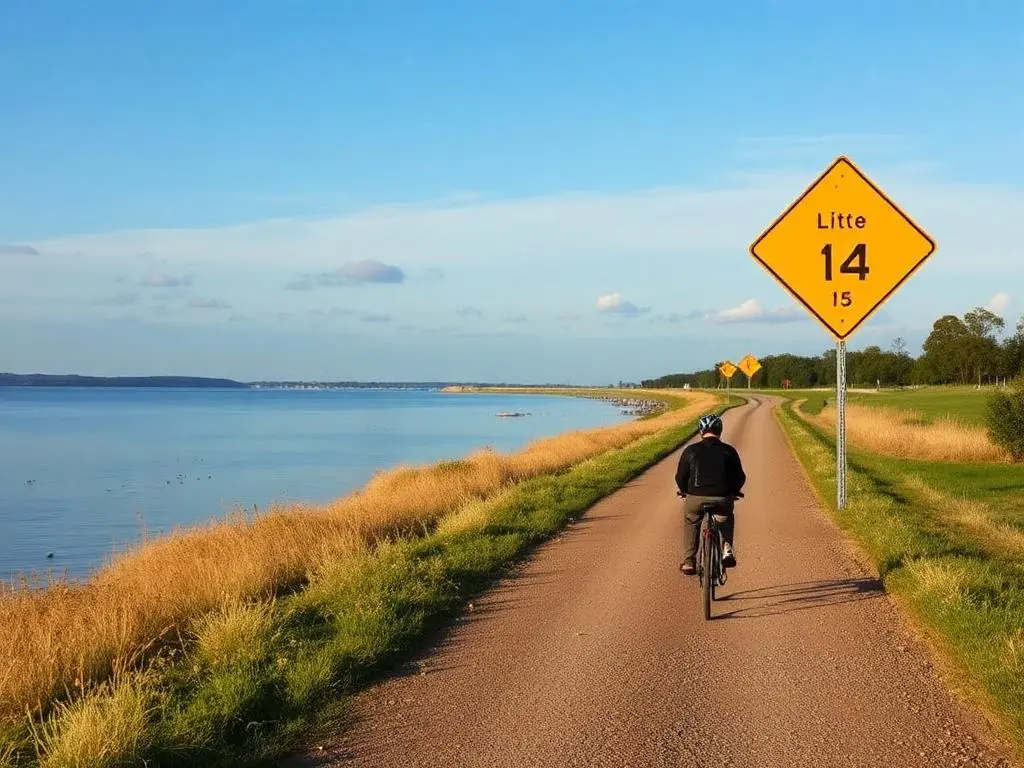
There are new speed bumps on the Los Angeles River route through the Elysian Valley. Know more about the Levee Path Too Dangerous For Biking.
They are tiny thermoplastic strips that are oriented perpendicular to the path of movement. They are now limited to the intersection of Riverdale Avenue and the multi-use river walk. Both the LADOT Bike Blog and the blog of L.A. City Councilmember Mitch O'Farrell have written on them. This Eastsider article is the most comprehensive, reporting:
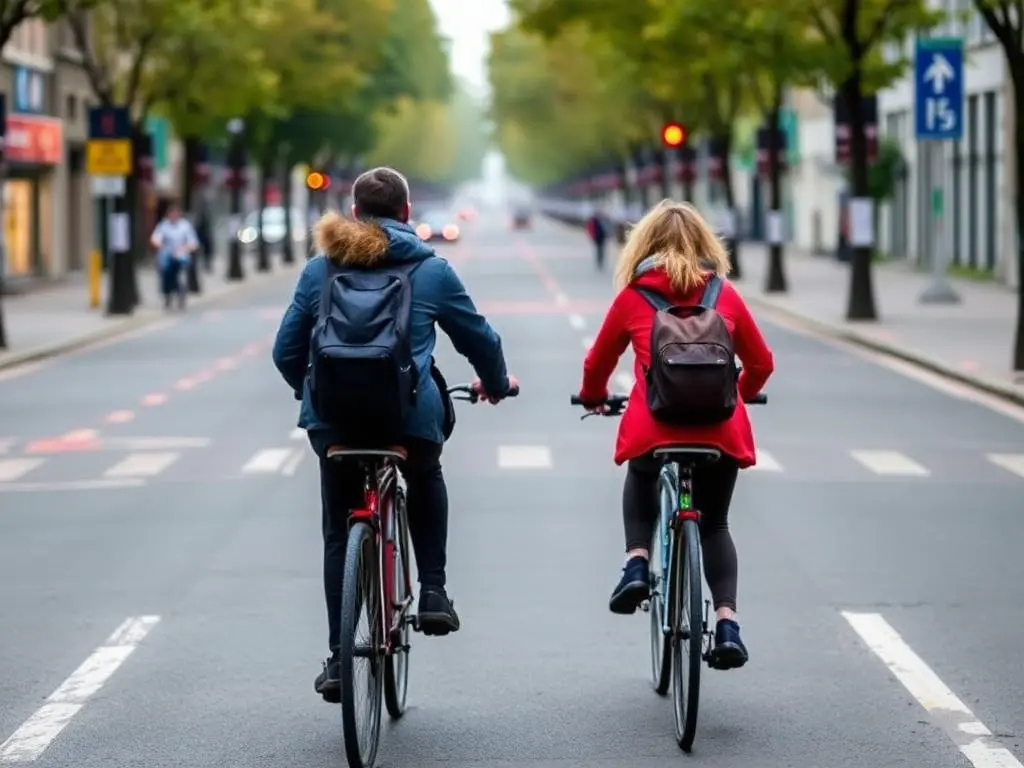
The L.A. River Walk/Bike Path's Elysian Valley section has long been a controversial location. As of right now, this is the only section of the L.A. River route where residential areas are right next to a more accessible and renovated section of the comparatively wild river. This location had an unpaved access route that functioned as an unofficial shared walking and bicycle way until the trail was formally opened in 2010. There were many significant dips for surface drainage along the uneven access road. Because of this uneven surface, which acted as a kind of unintended traffic-calming mechanism, sharing between bikers and Levee Path Too Dangerous For Biking.
Read Also: Can You Ride A Bicycle On The Sidewalk?
The Hidden Dangers of Biking on Levee Paths
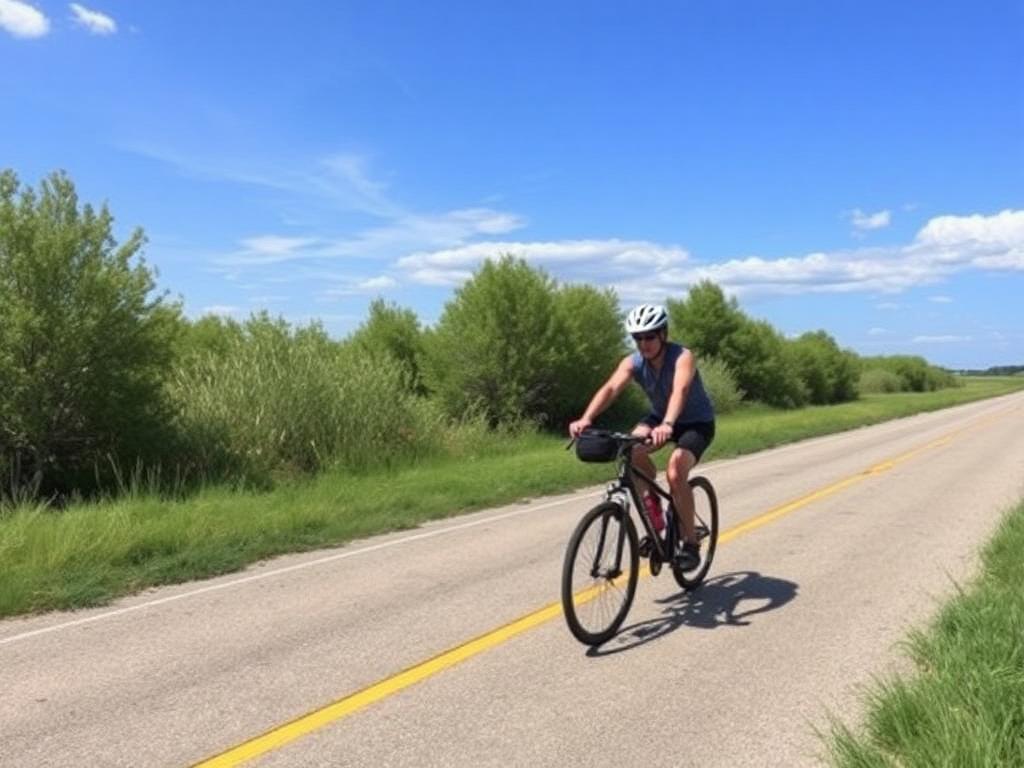
More bikers, many of whom are traveling faster, were drawn to the smoother, recently resurfaced surface (with better access under Fletcher Drive). Some riders express a notion that the path is only for cycling, despite the fact that it is officially a multi-use path. Residents of the Elysian Valley often talk of "near-misses" and bicycles loudly berating pedestrians.
All in all, this suggests a few problems. There aren't many handy, safe places to stroll or ride a bike in Los Angeles. People look for the few locations where they may walk and bike away from hazardous, loud traffic because our streets are not seen as safe, welcoming places to do so.
A route that is broader than necessary is necessary in crowded areas, such as the beach and the river. One that makes it safe for those who move more quickly to pass others who move more slowly.
This is not inexpensive in built-out corridors, such as the L.A. River, but in the end, river rejuvenation should expand the public right-of-way, maybe by terracing several steps down the river's sloping concrete levee wall. Meanwhile, bikers must share with walkers, just like during CicLAvia.
Although the rumble strip's effectiveness is uncertain, let's hope that the DOT will continue to step in when swift traffic makes it dangerous for slower-moving users.
This should be particularly true in street areas where vehicles collide with susceptible drivers, causing more serious injuries than merely broken bones.
Must Know: Biking Trails In The Appalachian Plateau
FAQs: Levee Path Too Dangerous For Biking
Should the trail be open to cyclists?
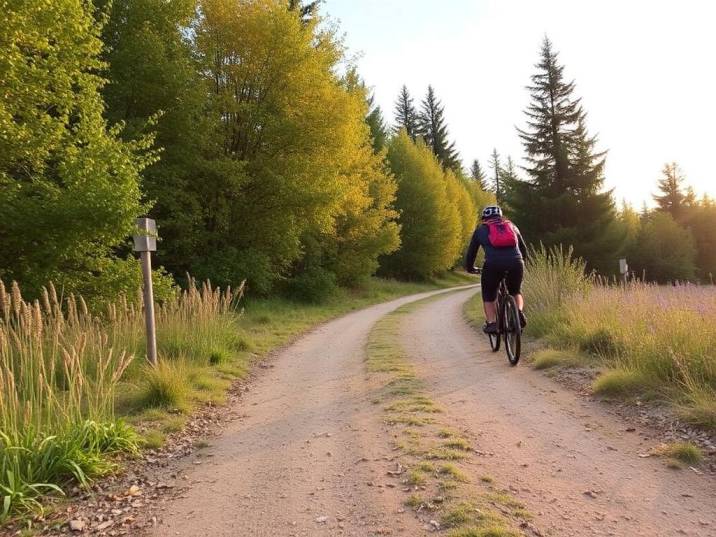
Bicyclists should always utilize the roadways unless there are designated bike lanes. This is because they pose a risk to pedestrians since they move much more quickly than they do.
What is wind cycling that is dangerous?
On a bike, it is extremely evident that a wind of 20 mph is sufficient to cause tiny trees to wobble. Although it's seldom dangerous in and of itself, leave the bike at home if it makes you feel uneasy. Even the more experienced biker finds it challenging to ride at 30 mph due to the wind. Gales are defined as winds above 40 or 50 mph.
What has led to cycling's enormous rise in popularity?
Bicycles provide commuters and vital workers a socially remote mode of transportation, a healthier substitute for gyms or subways, and a fresh perspective on urban streets. According to Butler-Adams, "the lockdown meant that the streets suddenly quieted, the air was clean, and people felt safe."
Is riding a bike too risky?
Compared to just two vehicle drivers, there are often 30 cyclists killed for every billion kilometers driven, which is a disproportionately high death rate.
When riding a bike, how much wind is too much?
Although your cycling expertise will play a major role in this, we chose to look to our weather data of millions of bike journeys to get the answer. It appears that the majority of bikers avoid riding when the average wind speed is higher than 20 mph. Keep in mind that gusts are frequently significantly faster than the mean wind speed.