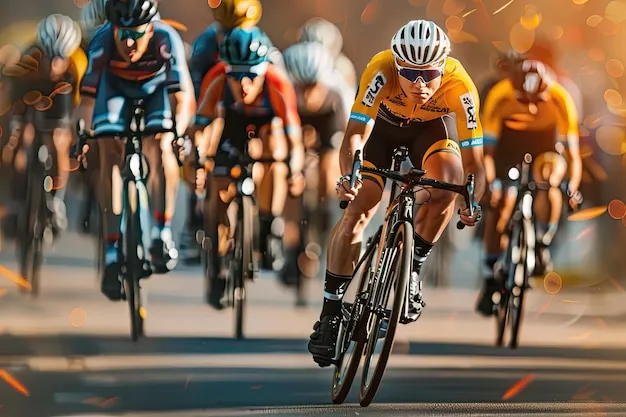
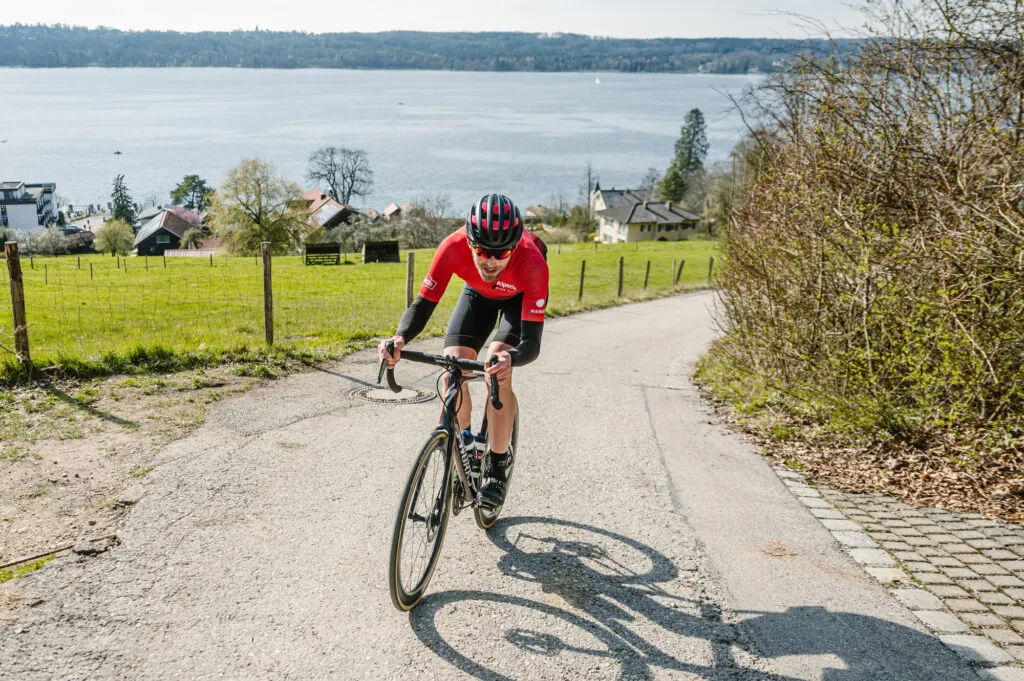
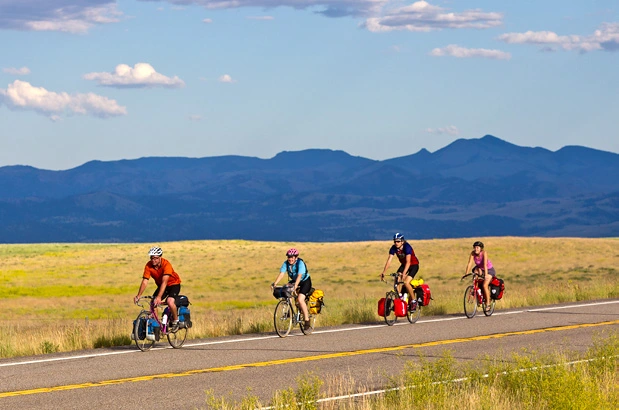
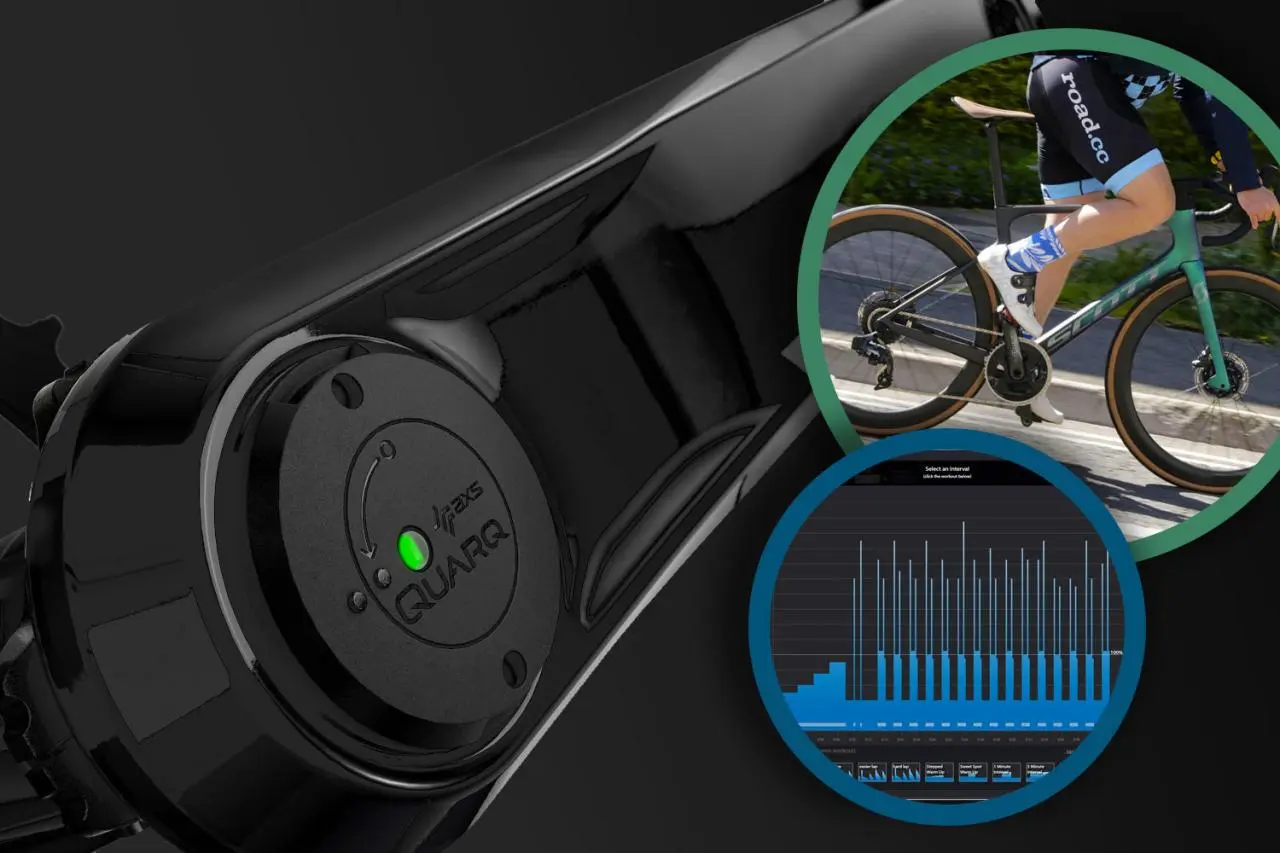
Long distance cycling refers to a ride of 50+ miles. It sounds hard. It's a skill that's very easy to learn, however. The emphasis is on gradually increasing. It's not necessary to be a professional athlete. All you need is a bicycle, a few essentials and a strategy to follow.
This guide is for all the things you need to do to take off on your long distance cycling trip the correct way. You will discover the advantages, training, diet and safety tips. The goal is simple. Put you on the road and riding further than ever before.
What Counts as Long Distance Cycling?
For a beginner, a 20-mile ride might feel long. For an amateur, anything over 50 miles is considered long distance . A century ride is 100 miles. That is the big goal for many riders. Some people go even further, riding 200 miles or more. The definition changes as you get fitter. The key is to build up gradually .
Read More: Best Aerodynamic Cycling Helmet for Road Riders – Top Picks Under 500
Long Distance Cycling Benefits
Riding long distances is good for your body and mind. Here is what it does :
- Heart health: It strengthens your heart and lowers your resting heart rate.
- Weight management: You burn a lot of calories on a long ride.
- Mental strength: You build focus and persistence.
- Better sleep: Long rides help you sleep deeper.
- Mitochondrial growth: This sounds complex, but it just means your cells produce energy more efficiently .
One of the best long distance cycling benefits is the mental reset. When you ride for hours, you see the world at a slower speed. You notice things you miss in a car or on a train .
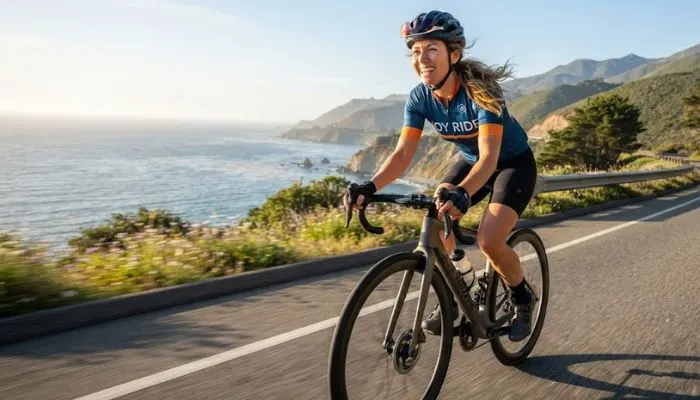
Long Distance Cycling for Beginners
If you are new, do not try to ride 50 miles on your first day. You need a plan .
Step 1: Build a Habit
Start with short rides. Aim for 30 minutes to an hour, three or four times a week . Do this for a month. Get comfortable on the bike. Make it a routine. This builds your base fitness.
Step 2: Add Time, Not Just Miles
The best way to improve is to add time to your longest ride each week. Try adding 15 to 30 minutes to your weekend ride every week . After eight weeks, you could be ready for a century .
The 10% rule: Do not increase your total weekly distance by more than 10%. This helps prevent injury .
Step 3: Ride at a Conversational Pace
Most of your training should feel easy. You should be able to talk in full sentences. This is called Zone 2 training . It feels slow, but it works. It trains your body to burn fat for fuel and builds endurance without wearing you out .
Long Distance Cycling Training Plan
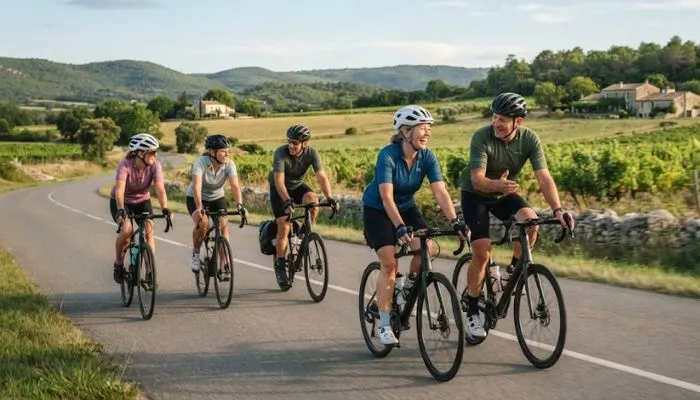
A good training plan has different types of rides. Here is a simple breakdown :
| Ride Type | Purpose | How It Feels |
|---|---|---|
| Long Slow Ride | Builds endurance and aerobic base | Easy, conversational pace. Do this once a week for 2-6 hours. |
| Tempo Ride | Improves sustainable power | Comfortably hard. You can say a few words but not a full sentence. |
| Intervals | Boosts speed and lactate threshold | Short, hard efforts with recovery in between. |
| Recovery Ride | Promotes active recovery | Very easy, short spin. |
Fueling for Long Distance Cycling
You cannot ride far on an empty tank. Fueling is just as important as training.
Before the Ride
Eat a meal with carbs one to three hours before you ride. Oatmeal, a bagel, or rice with some protein works well. Drink water throughout the day. You want to start the ride fully fueled, not hungry .
During the Ride
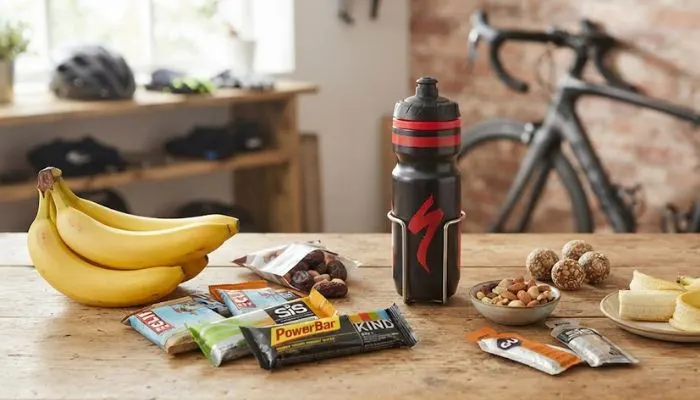
For rides over 90 minutes, you need to eat and drink regularly. Aim for 30 to 60 grams of carbs per hour . That is about one energy bar or a banana every hour. Eat a little bit every 20 to 30 minutes.
- Hydration: Drink one bottle of water per hour. More if it is hot. Add electrolytes to your water to replace salt lost through sweat .
- Real food: You do not have to eat gels and bars all day. Many riders prefer sandwiches, cheese, fruit, or even a burrito .
- Drink your carbs: Sports drinks are an easy way to get both fluid and fuel.
Tip: Train with the food you plan to eat on race day. Do not try new foods on a big ride. Your stomach might not like it .
After the Ride
Eat a meal within 30 to 60 minutes. Focus on carbs to refill your energy stores and protein to help your muscles recover. A 3:1 carb-to-protein ratio is a good target .
Essential Gear
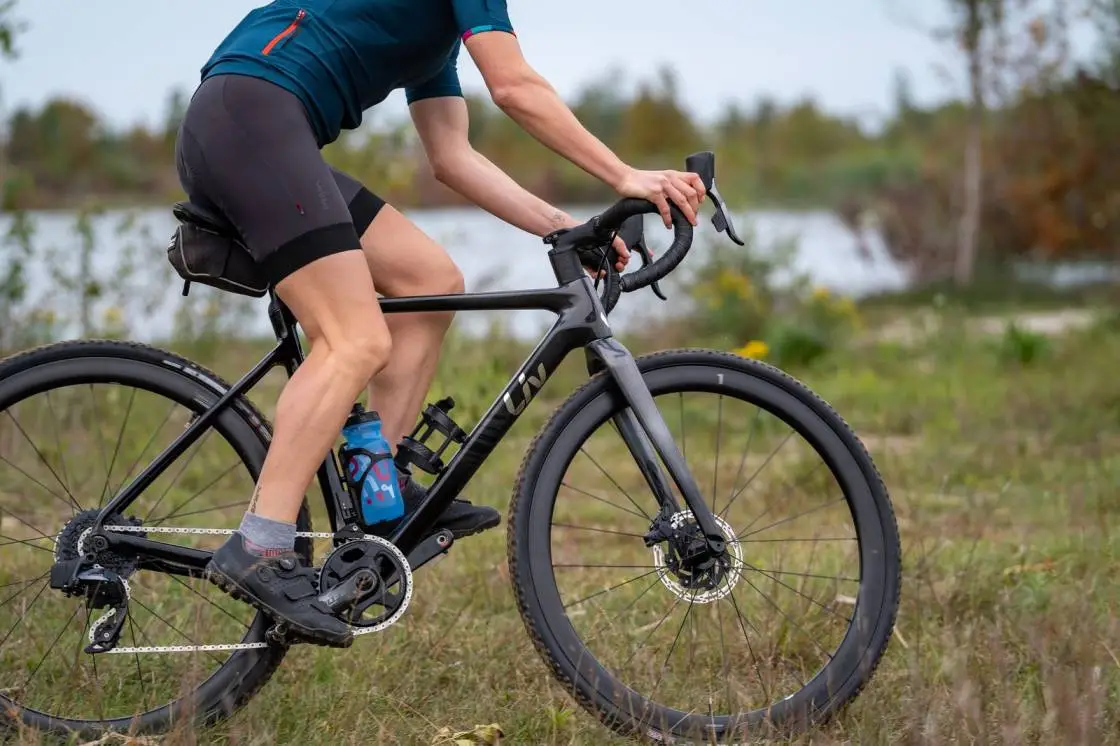
You do not need an expensive bike. You need a reliable bike that fits you well .
- The Bike: A hybrid or an endurance road bike is a great choice for beginners . Go to a local bike shop. Test ride a few bikes. Get one that feels comfortable.
- Helmet: Non-negotiable. Make sure it fits snugly and sits level on your head.
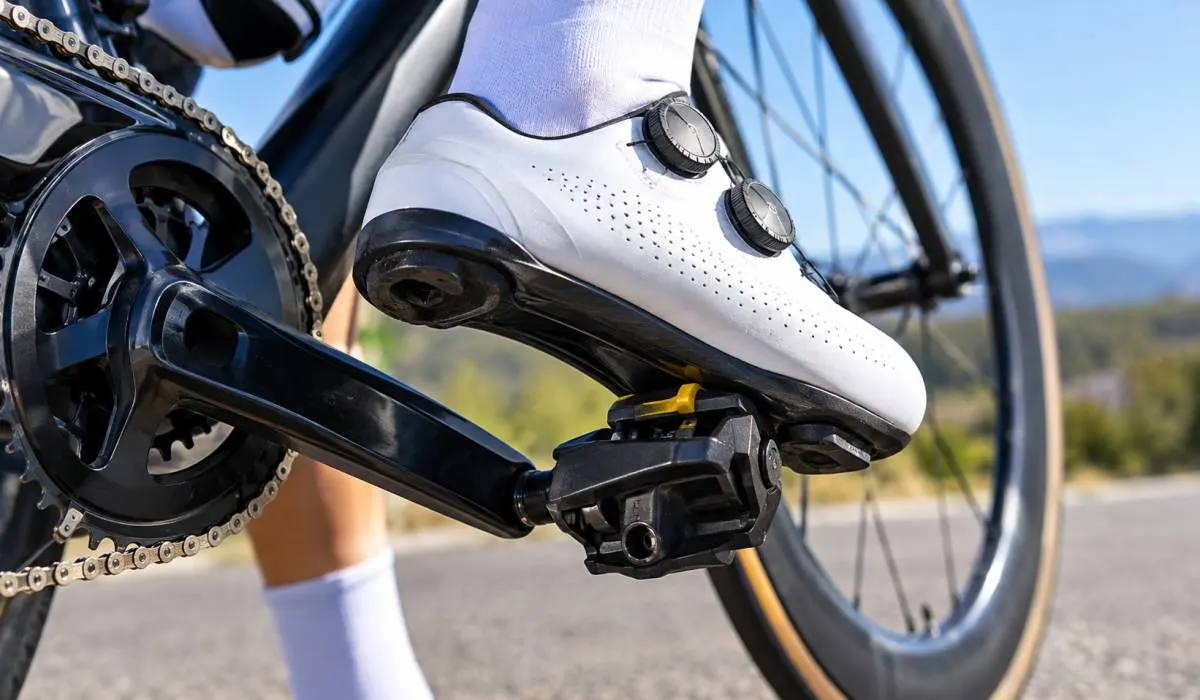
- Padded Shorts: These will save your backside. They are worth the money.
- Saddle: A good saddle helps. But the position of the saddle is more important. If your saddle is too high or low, you will get pain. A bike fitter can help you get the right position .
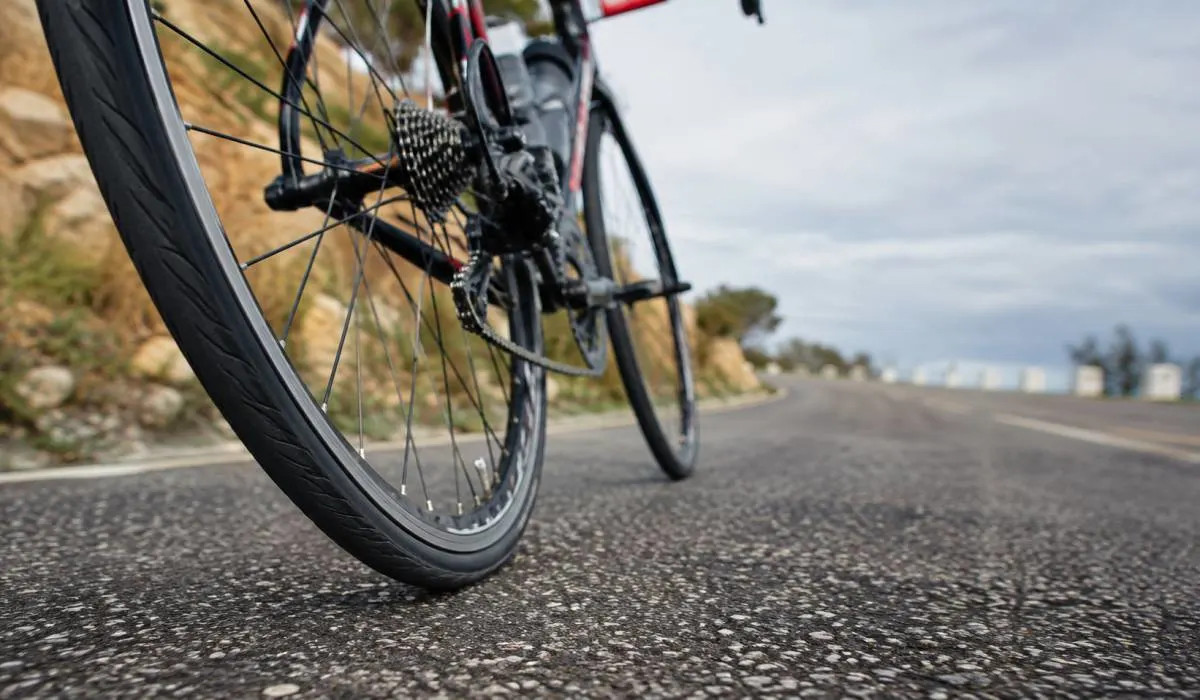
- Tires: Wider tires at lower pressure are more comfortable and often faster .
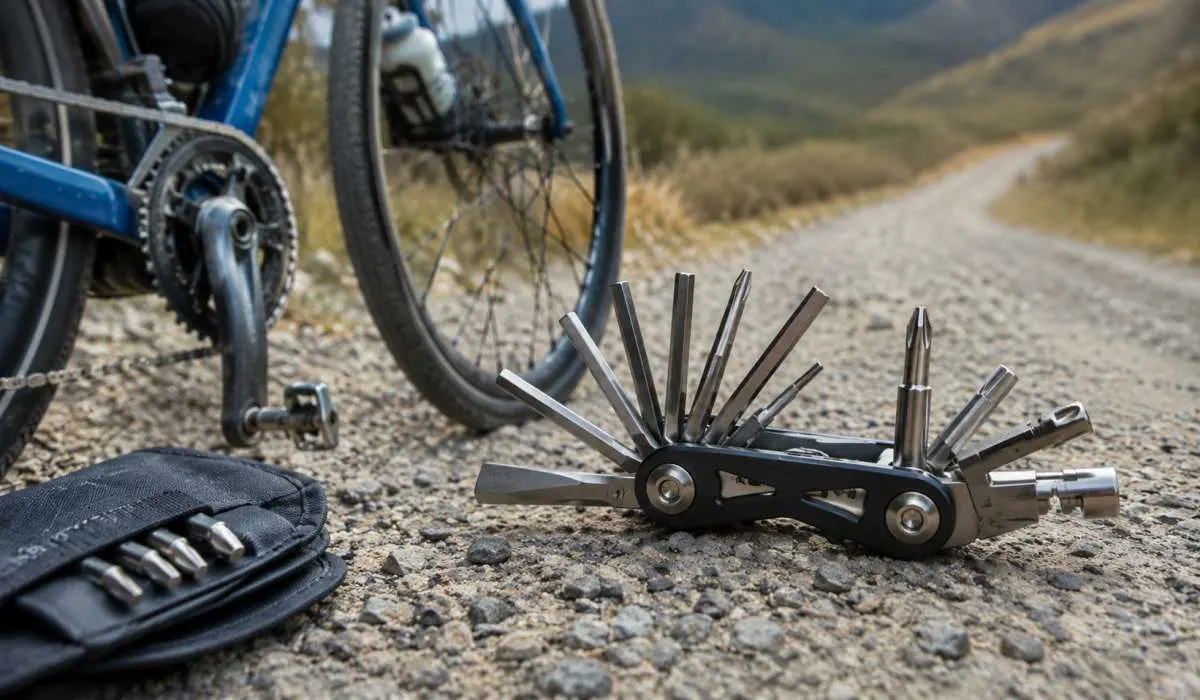
Repair Kit: You will get a flat tire at some point. Be ready. Carry :
- Spare inner tube
- Tire levers
- A mini pump or CO2 inflator
- A multi-tool
You May Also Read: Best Waterproof Cycling Jacket Under 50: Budget Reviews
Tips for a Successful Long Ride
Pace Yourself
Start slow. The biggest mistake beginners make is going out too hard. Break the ride into thirds .
- First third: Easy. Just spin the pedals.
- Second third: Start to work a little.
- Last third: Give what you have left.
Think About the Wind
If you have a tailwind at the start, you will have a headwind on the way back. Save some energy for the return trip . Riding with a group helps. You can take turns sheltering each other from the wind.
Stay Comfortable
Move around on the bike. Change your hand position often. Stand up out of the saddle every few minutes to give your backside a break . Stretch your neck and shoulders while you ride .
Have a Plan for Trouble
Bring your phone, ID, and some cash. Stash a $20 bill somewhere safe in case you need to buy food or a tube. Know your route. Have a backup if your bike computer dies. You can use your phone for directions or even carry a paper map .
Conclusion
Long distance cycling is a great challenge. It is good for your body, clears your mind, and lets you see the world differently . The journey starts with one ride. Take it slow. Fuel your body. Stay safe. You can do more than you think. Now, get on your bike and start pedaling.
FAQ
1. How much time do I need to get ready for a long ride?
It depends on where you are starting from. If you ride a bit already, maybe eight weeks. If you have not been on a bike in years, give it four months. Your body needs to adjust. The bones, the muscles, the tendons. They all take time. Pushing too hard too fast is how people get hurt. Start slow. Add a little each week. That is the safe way.
2. What do I eat while I am riding?
Whatever sits well in your stomach. For me it is bananas and granola bars. My friend eats fig newtons. Another guy I ride with eats plain bagels. You have to test things out on your shorter rides first. Never try something new on a big day. Your stomach might reject it. Then you are stuck miles from home with a bad feeling. Not fun.
3. My backside hurts after thirty minutes. What do I do?
Everyone goes through this. Your body is not used to sitting on a bike saddle. It gets better after a few weeks. Get some padded shorts. They help a lot. Also make sure your saddle is the right width for you. Bike shops have a tool to measure this. And stand up every now and then. Pedal standing for a few seconds. Gives your backside a break.
4. What if I break down in the middle of nowhere?
You carry a spare tube and a pump. You also carry your phone. Tell someone your route before you leave. Share your location with them. If you cannot fix the bike, you call for help. It is embarrassing but it happens to everyone at some point. That is why you always bring cash and your ID. Makes getting home easier.
5. Do I really need an expensive bike?
No. You need a bike that works and fits you. A used bike from a shop is fine. A new hybrid from a real bike store is fine too. Just avoid the cheap ones from department stores. They are heavy. The parts break. And they are often put together wrong. A badly built bike is dangerous. Spend a little more. It is worth it.