


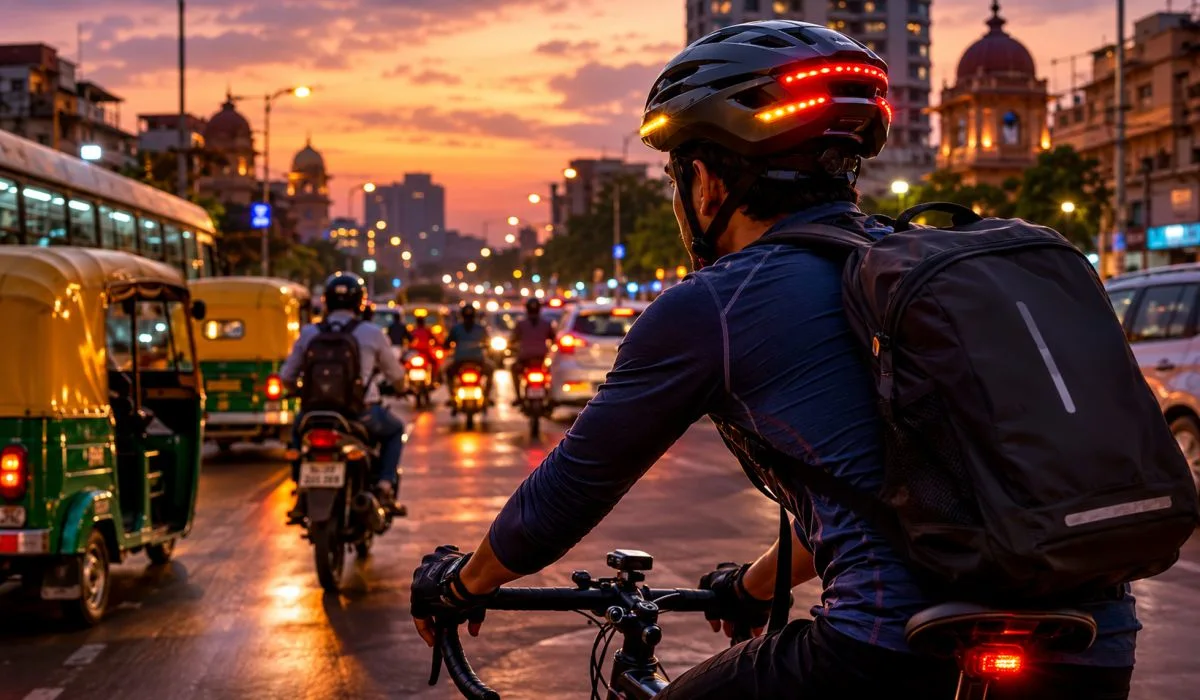
A smart helmet is a bicycle helmet that is enhanced with electronic components that make for a safer ride. It offers capabilities such as brake lights, turn indicators and fall detection alerting your emergency contacts. When you think of the best smart helmets for cyclists safety, you should understand its actual features that are effective on Indian roads. Such helmets are transforming the way people ride in our cities.
They provide added protection which is not offered by a standard helmet. As traffic worsens day-by-day, a smart helmet can increase your visibility to other vehicles. It also requires assistance in case of a fall. This guide will assist you in selecting the correct smart helmet for everyday rides and ensure the safety of riding on busy roads.
What Makes a Smart Helmet Different?
A normal helmet only protects your head from impact. A smart helmet does much more. It has sensors and lights that help you stay visible on the road. Some models can even detect when you fall down and send help.
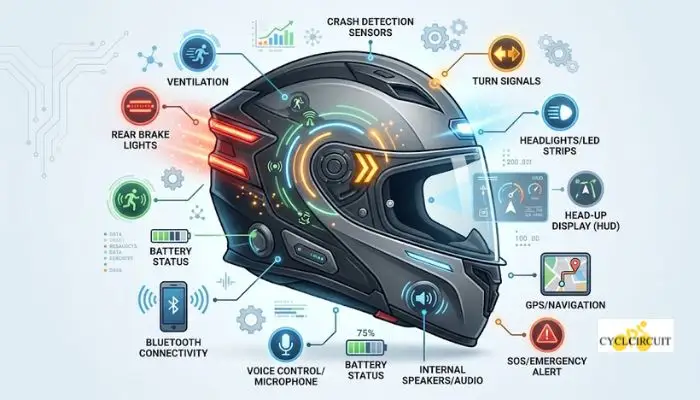
The main features you get in a smart helmet are:
- Brake warning lights that turn on when you slow down
- Turn indicators that show which way you are going
- Automatic lights that adjust to darkness
- Fall detection with SOS alerts
- Long battery life for daily use
Read More: Lightweight Aero Road Wheels 2026 Models Review: Top Picks
Best Smart Helmet Options for Roads
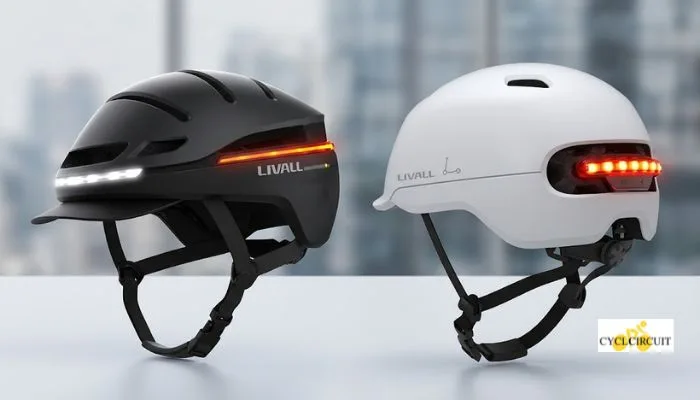
LIVALL C21 Smart Helmet
This is one of the best smart helmets available today . It has many safety features that are perfect for Indian city riding.
Key Features:
- Meets international safety standards like CPSC 1203 and EN1078
- Battery lasts about 10 hours on a single charge
- Has full-color LED taillights and turn indicators
- IPX4 waterproof rating means it works in rain
- Fall detection sensors send SOS alerts with GPS location
- Automatically turns on when you wear it and off when you remove it
- Available in two sizes for head circumference 54-58cm and 58-62cm
- Weighs only 320-340 grams, which is very light
What Users Say:
Some users have mentioned that the SOS feature can be very sensitive . It may trigger on small bumps or even when you hold the helmet in your hands. This is something to keep in mind before buying. But overall, people like the fit and comfort of this helmet.
LIVALL C20 Urban Smart Helmet
This is another good option from the same brand . It has many similar features to the C21 model.
Key Features:
- Also meets CPSC 1203 and EN1078 safety standards
- Same 10-hour battery life
- Brake warning lights and automatic sensor lighting
- IPX4 waterproof for rain protection
- Fall detection with SOS alerts
- Available in the same size options
What Users Say:
Users find this helmet comfortable and the brake warning light very reliable at night . Some users also noted that the SOS feature is sensitive, but most people do not know the Morse code signal so it does not bother them .
Best E-Bike Helmet Full Face Options
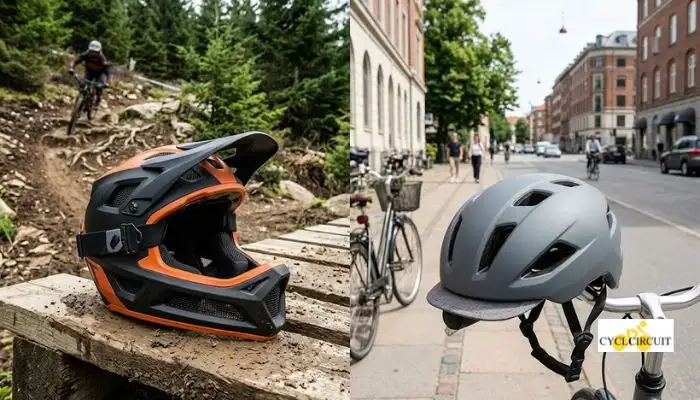
If you ride an electric cycle or go on rough roads, a full face helmet gives you more protection . Full face helmets cover your entire head including your chin and jaw. This is important because research shows that open face helmets do not protect the lower face very well .
When You Need a Full Face Helmet
A full face helmet is better when:
- You ride at high speeds near 28 km/h or more
- You go on steep descents
- You ride off-road or on rough trails
- You have had a face-first crash before
When an Open Face Helmet is Enough
An open face helmet works well for:
- Normal city commuting
- Riding on bike lanes and paved paths
- Moderate speeds
- Stop-and-go traffic
The most important thing is that a certified helmet of any type reduces brain injury by about two-thirds in crashes . So wearing any good helmet is better than wearing none.
You May Also Read: Best Indoor Cycling Tips for Beginners to Ride Safe at Home
Best Bike Helmet for Casual Riding
For everyday riding, you want a helmet that is comfortable and looks good. Here are some good options :
Retrospec Remi Adult Bike Helmet
- Has 11 vents for good airflow
- Reflective chin straps for night visibility
- Removable and washable padding
- Lightweight design for daily use
Findway Pro Bike Helmet
- 14 vents to keep you cool
- Built-in visor to block sun glare
- Adjustable dial for perfect fit
- Suitable for head size 54-61.5 cm
Retrospec Lennon Bike Helmet
- 15 vents for maximum airflow
- LED safety light for visibility
- ErgoKnob-2 dial-fit system
- Removable visor
Bike Helmet Motorcycle vs Cycle Helmet
Many people ask if they can use a motorcycle helmet for cycling. The answer is no. Motorcycle helmets are very heavy and do not have good ventilation. They will make you sweat a lot. Cycle helmets are light and have air vents to keep you cool.
For e-bikes, you should look for helmets with NTA 8776 certification. This standard is made for faster e-bikes and tests impact at speeds up to 28 km/h . Regular CPSC certification is the minimum standard for normal cycles.
Important Safety Features to Look For
Certification Standards
Always check that your helmet meets safety standards. The most common ones are:
- CPSC 1203 - Basic standard for bicycle helmets
- EN1078 - European safety standard
- NTA 8776 - For faster e-bikes
MIPS Technology
MIPS stands for Multi-directional Impact Protection System. It allows the helmet shell to move slightly during an angled impact. This reduces rotational forces that can cause brain injury . Many premium helmets now have this technology.
Fit and Comfort
A helmet only protects you if it fits properly. Look for:
- Adjustable fit systems
- Good ventilation with multiple vents
- Removable and washable padding
- Proper size for your head
Visibility Features
- Built-in lights for night riding
- Reflective elements
- Bright colors to be seen in traffic
How to Choose the Right Helmet?
Step 1: Know Your Riding Style
Think about where and how you ride. City commuting is different from off-road riding. Your helmet choice should match your riding style.
Step 2: Check Your Budget
Smart helmets cost more than normal helmets. But they offer extra safety features. Decide how much you want to spend.
Step 3: Try Before You Buy
If possible, try the helmet before buying. It should feel snug but not tight. It should not move when you shake your head.
Step 4: Consider Indian Weather
Indian weather can be hot. Look for helmets with good ventilation. Some helmets are rated IPX4 for rain protection . This is useful during the monsoon season.
Conclusion
Smart helmets are a great investment for your safety. They offer features that normal helmets do not have. The lights and turn indicators help you be seen on busy Indian roads. The fall detection feature can save your life in an accident.
For most Indian riders, a good quality open face smart helmet is enough for city commuting. But if you ride fast or on rough roads, consider a full face helmet. Always choose a helmet with proper safety certification and a good fit.
FAQs
Is an open face helmet enough for an e-bike?
For most city and commuter riders, yes. It protects your head, which is where the most serious injury risk is. It leaves your chin and jaw exposed, which matters more as your speed increases .
Do I need a full-face helmet for an e-bike?
Only if a face-first crash is a real possibility for you. This means high speeds, steep descents, trails, or rough terrain. For moderate commuting, an open face helmet works well .
What is the most important thing in a helmet?
The helmet should be certified for your speed and should fit properly. A certified helmet does nothing if it slides back or rocks side to side. It should sit level and feel snug without pressure points .
Can I use a normal bike helmet for e-bike riding?
For lower speeds, a CPSC-certified helmet is the minimum and works well. Near higher speeds, look for NTA 8776 certification .