


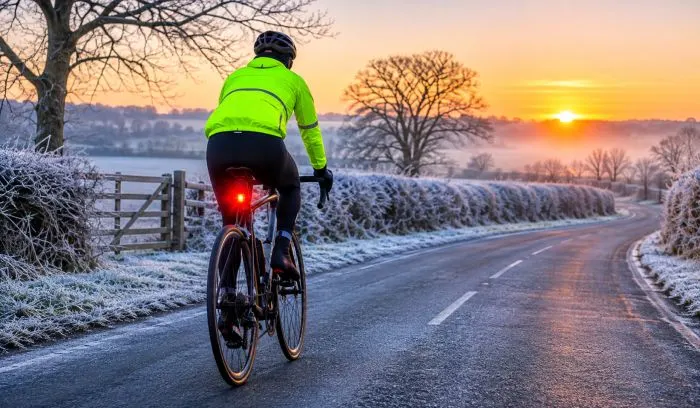
Winter should NOT be the time you stop riding. It is riding smart! The frosts, the rain, the short days. All these are problems that you can solve! Winter riding tips for road cycling them are no longer complicated. Wear layers. Warm hands and feet use lights. Slow down on wet roads watch for ice. I've been on the bike many winter times.
There were some really good rides. Some were miserable. It was always a matter of preparation. This guide will go through what to wear, how to stay safe and how to deal with the snow. No fluff Just what works.
Why Riding in Cold Weather Is Good for You?
Cold weather cycling offers real benefits that summer riding does not. Your body spends less energy trying to cool itself down, so you can ride more efficiently . You also sweat less, which means you stay hydrated longer.
There is another benefit that might surprise you. Research shows that exercising in cold weather can help turn white fat, including belly fat, into calorie-burning brown fat . Winter riding also helps with seasonal mood dips because you get natural light and fresh air when many people stay indoors.
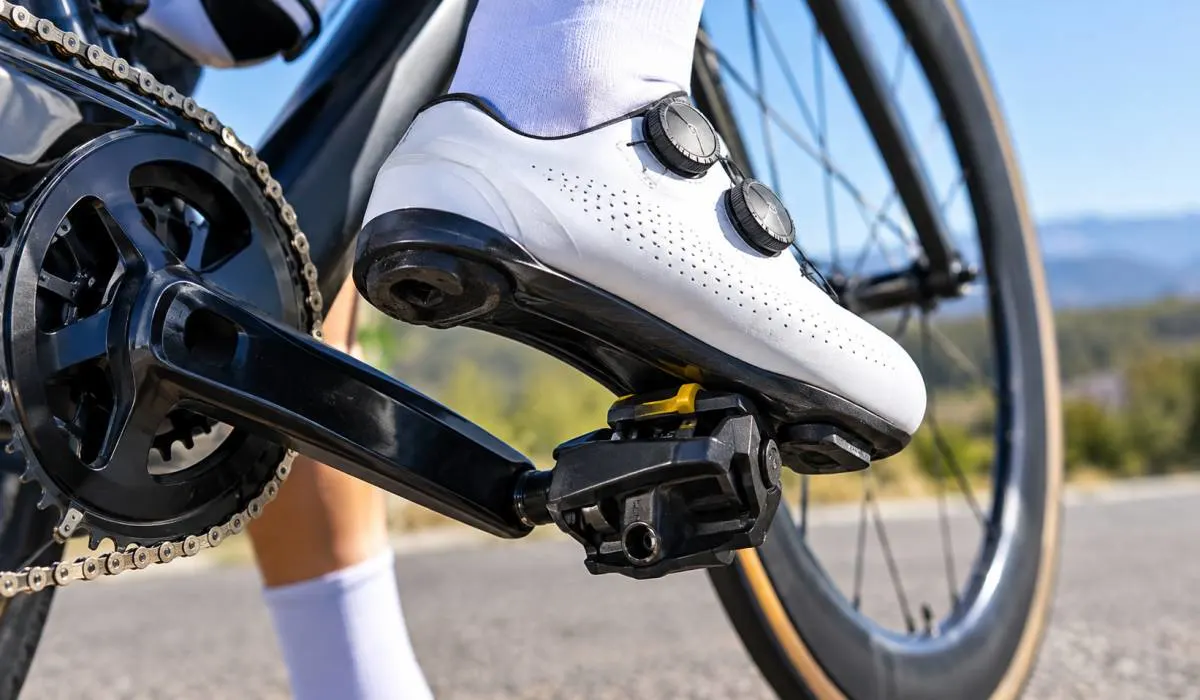
Read More: Clipless Pedals for Road Cycling Beginners: A Simple Guide
Best Cycling Winter Clothing: The Layer System
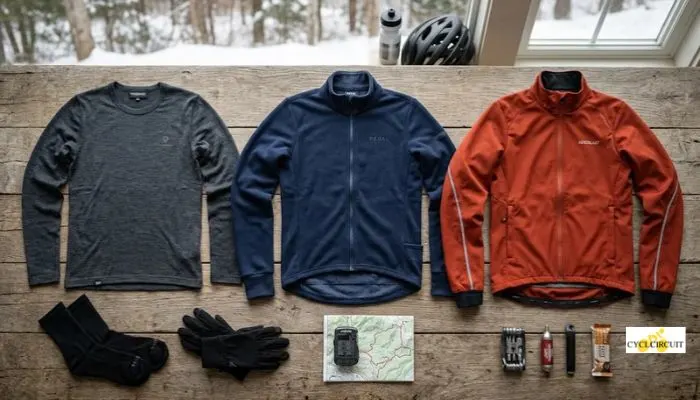
Getting your clothing right is the most important part of winter road cycling. The goal is not to be warm when you step outside. The goal is to stay dry and comfortable while you ride.
Start slightly cold. If you feel perfectly warm before you start pedalling, you are wearing too much . Your body will heat up within the first ten minutes of riding.
Base Layer
Your first layer sits against your skin. Its job is to move sweat away from your body. Choose a thermal or merino wool base layer for cold days . Never wear cotton. It holds sweat and will leave you wet and freezing .
Middle Layer
This layer traps warmth. A fleece-lined jersey or thermal jersey works well for road cycling in winter . This is where you adjust for temperature. On milder days, go thinner. On very cold days, go thicker.
Outer Layer
Your outer layer blocks wind and rain. A windproof or waterproof jacket that folds small enough to fit in your jersey pocket is ideal. Look for one with a full front zip and vents under the arms so you can control your temperature as you ride .
Cold Weather Cycling Gear for Hands, Feet, and Head
Your body heat escapes fastest from your extremities. These areas need special attention.
- Hands: Your fingers have poor blood flow and get cold quickly. Lobster gloves, which have two finger sections instead of five, keep your hands warmer than normal gloves . For very cold days, consider pogies that attach to your handlebars.
- Feet: Cycling shoes are designed to let air flow through. That is good in summer and terrible in winter. Wear merino wool socks with neoprene overshoes on top . For extreme cold, some riders put a plastic bag between two pairs of socks to block wind .
- Head and neck: Wear a headband or thin skull cap under your helmet to cover your forehead and ears. A neck warmer protects your throat from cold air and can be pulled up over your face on descents .
How to Bike in the Snow and on Ice?
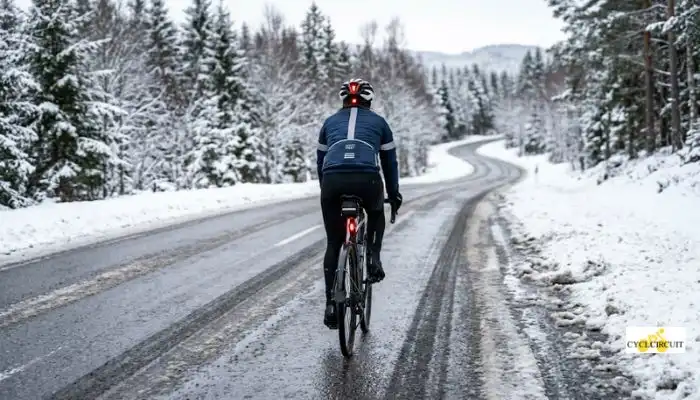
Riding on snow and ice requires a different approach. You cannot ride the same way you do on dry summer roads.
Choose Your Route Carefully
Main roads are usually gritted and cleared by traffic. Side roads may stay icy for days . Ride where cars have driven, not in the gutter. The edges of the road are more likely to be frozen or wet .
Slow Down and Anticipate
Do not try to set personal bests in winter. Slow down before you reach icy patches and ride straight through them without braking . Use your rear brake more than your front brake because it is easier to correct a rear wheel slide .
Adjust Your Bike for Winter
Wider tyres at slightly lower pressure give you more grip on wet and icy roads . If you face regular ice, studded tyres make a huge difference in control . Mudguards keep road spray off you and your bike, and they protect your drivetrain from salt and grit .
You May Also Read: Best Road Bike Tyres: Complete Buying Guide for Every Ride
Road Cycling in Winter: Bike Care Tips
Winter roads are hard on your bike. Salt, grit, and water wear out parts faster than dry summer conditions.
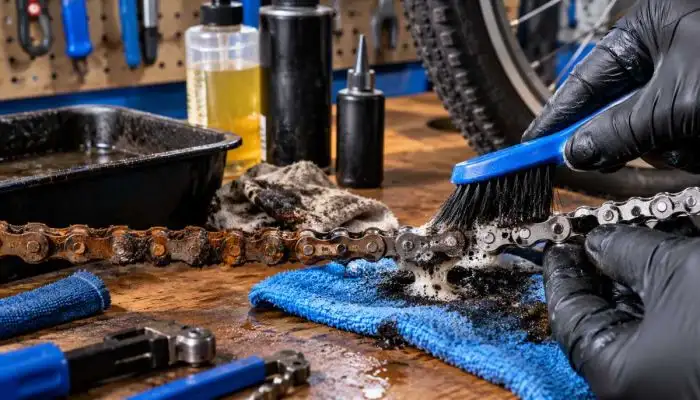
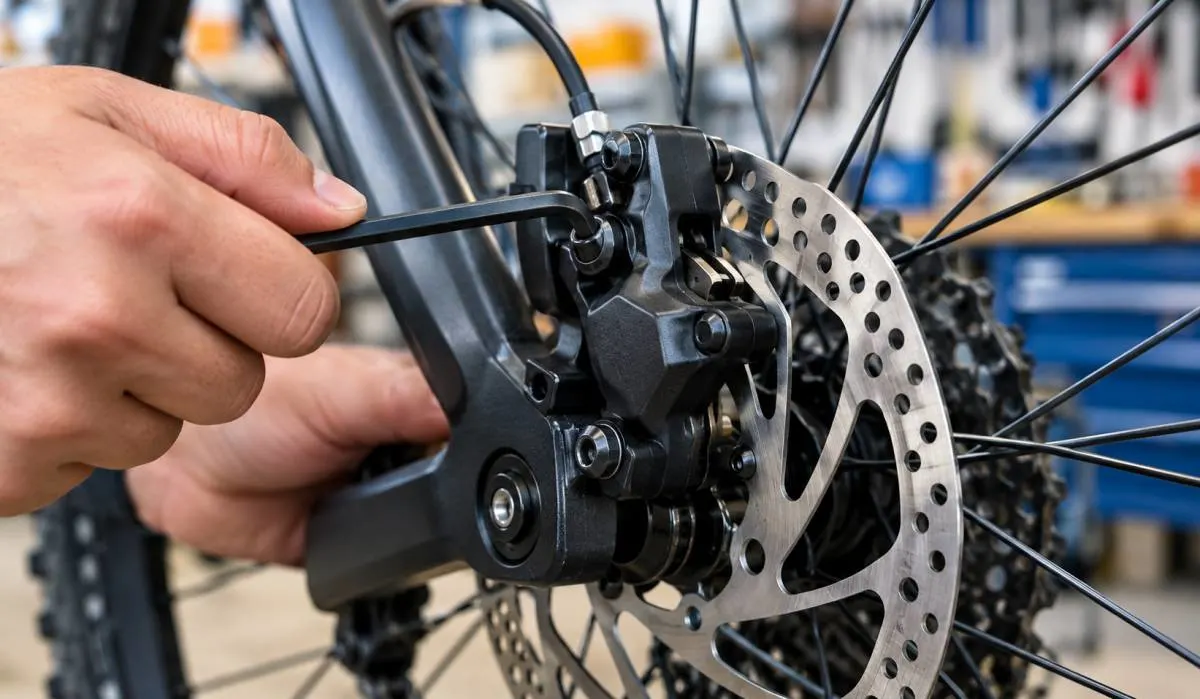
Clean and lubricate your chain after every wet ride. Use a wet lubricant that stays in place in cold conditions . Check your brake pads more often because grit wears them down quickly . If you have rim brakes, make sure the cables are clean and sealed so they do not freeze .
Fuel and Hydration for Cold Weather Riding
You still sweat in winter, especially when you wear layers. You may not feel thirsty, but your body needs water just as much as in summer . Carry a thermos with warm tea or an electrolyte drink. A neoprene cover on your bottle stops it from freezing .
Eat carbohydrate during longer rides. Your body uses carbs for energy even in cold weather, and having fuel in your system helps you stay warm .
When to Ride Indoors Instead?
Some days are simply too dangerous. If roads are covered in black ice, or if visibility is very poor, use an indoor trainer. You will still build fitness and you avoid the risk of a crash. Save the outdoor rides for days when conditions are challenging but manageable.
FAQs
1. What is the best temperature to ride in winter?
There is no perfect number. It depends on the wind and rain. Dry and 5°C is fine. Wet and 5°C is miserable. Windy and 5°C feels like freezing. Dress for the conditions, not the number.
2. How do I keep my hands warm?
Lobster gloves. Or bar mitts. Bar mitts attach to your handlebars and cover your hands. They look odd but they work. They keep the wind off. Your hands stay warm even in freezing temperatures.
3. Can I ride in the rain?
Yes. You need a waterproof jacket and mudguards. Wet roads are slippery. Slow down. Brake earlier. Watch for oil and painted lines. They get very slick in rain.
4. How do I stop my feet getting cold?
Overshoes. Merino socks. Toe warmers. Do not wear thick cotton socks. They hold sweat and make your feet colder. If it is really cold, wear two pairs of thin merino socks. Not one thick pair.
5. Is it safe to ride in the dark?
Yes, with the right lights. Use a bright front light so you can see. Use a rear light so cars can see you. Wear reflective clothing. Stick to roads you know. Avoid unlit roads.
6. Should I ride if there is ice on the road?
No. Ice is not worth the risk. You cannot see it. You cannot brake on it. You cannot steer on it. If there is ice, stay home. Ride the trainer. Wait for it to melt.
7. How do I stop my glasses fogging up?
Use an anti fog spray. Or a bit of washing up liquid rubbed on the lenses. Do not use a scarf over your mouth unless it has a vent. Your breath goes straight up into your glasses. That is what fogs them.
8. How often should I service my bike in winter?
More than summer. Wet roads and salt destroy components. Clean your chain after every wet ride. Lube it. Check your brake pads. Salt eats through them. A weekly check saves you money in spring.